Why Bhangarh’s Surroundings Matter
Most people arrive at Bhangarh with one idea already in mind.
Haunted.
But spend a little time there, and another detail starts to stand out.
It doesn’t feel like a typical tourist site.
It feels… isolated.
Quiet in a different way.
Surrounded. Almost cut off.
Which leads to a more grounded question: Is Bhangarh near a forest?
Because if it is, that changes how you understand almost everything else about the place.
Yes, Bhangarh Sits Right Next to a Forest
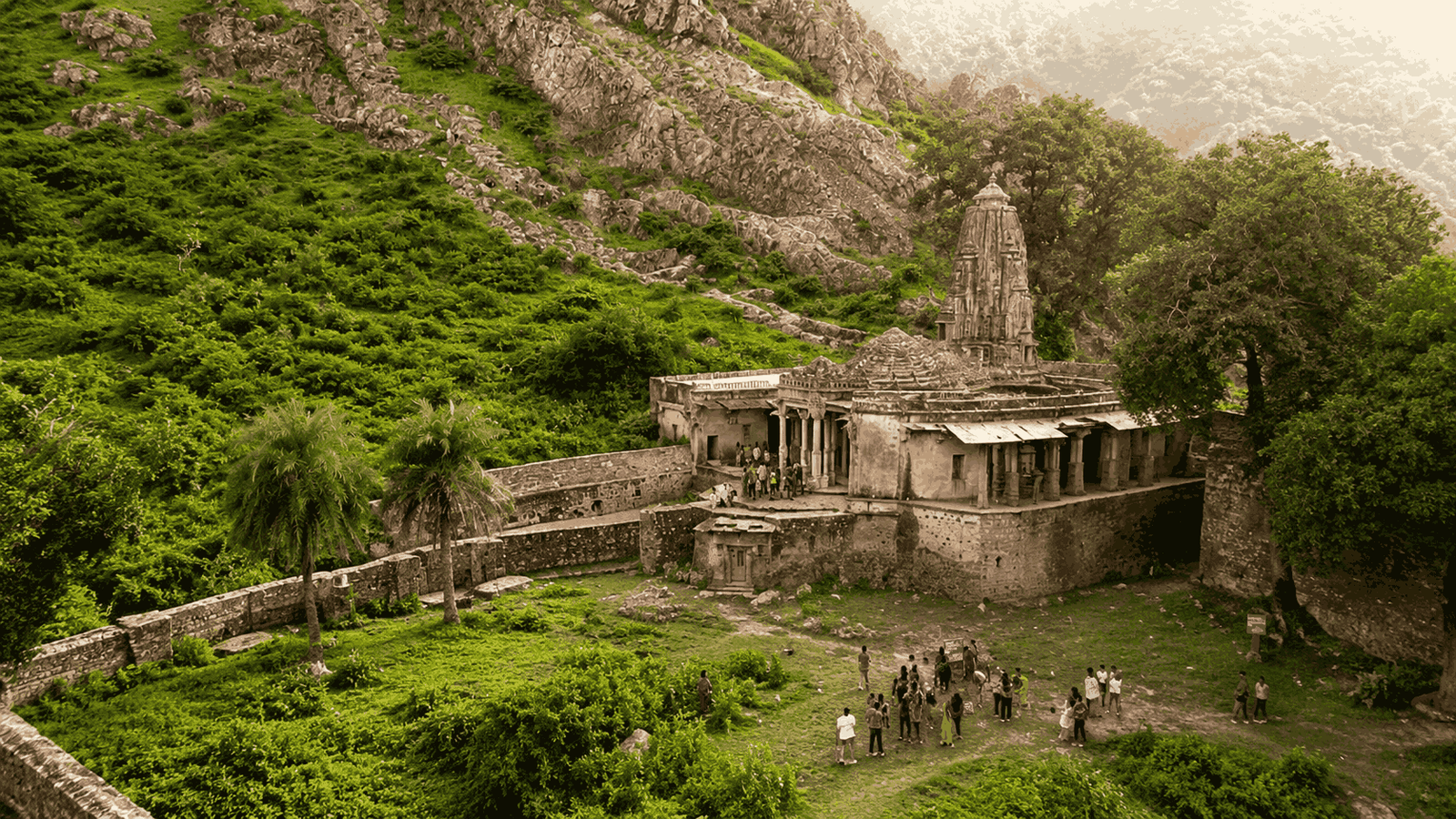
Bhangarh is best understood as sitting near the Sariska landscape rather than deep inside a forest. The fort itself is a historical monument, but its surroundings are shaped by the Aravalli hills, vegetation, rural access roads, and the nearby reserve ecosystem.
There isn’t a major physical barrier separating the forest from the ruins. The landscape transitions gradually—from structured stone to wild terrain without a clear line in between.
That matters more than most people realize.
Because it means Bhangarh is not just a historical site.
It’s part of an active ecological zone.
The Aravalli Hills Create Natural Isolation
Look at Bhangarh on a map and one thing becomes obvious.
It’s enclosed.
The Aravalli hills surround the fort on multiple sides, creating a kind of natural basin. This has two effects:
It gives the site a sense of protection
It also cuts it off from surrounding activity
There’s no immediate urban spillover.
No busy roads nearby. No constant movement of people.
So even during the day, the place feels quieter than expected.
And as light drops, that isolation becomes more pronounced.
Wildlife Movement Is a Real Factor
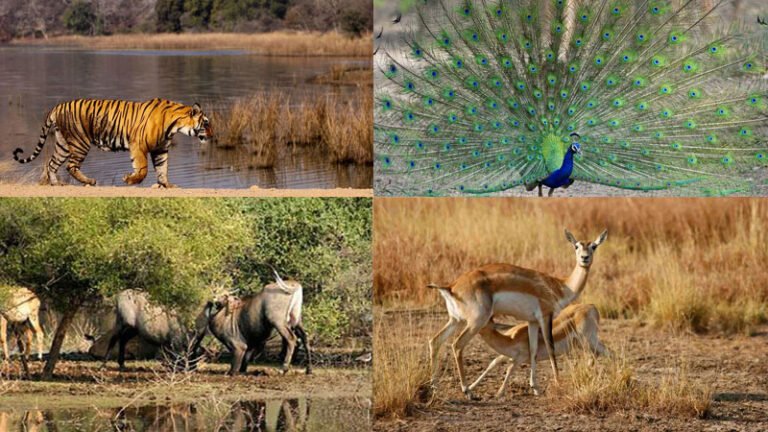
Because Bhangarh sits close to the Sariska landscape, wildlife movement in the broader region is possible.
This includes species known to exist within the Sariska ecosystem, such as:
– Leopards
– Hyenas
-Smaller mammals
– Monkeys
– Birds of prey
Now important distinction: This does NOT mean wild animals are regularly roaming through the fort in front of visitors during the day. But it does mean: The area is not disconnected from wildlife activity.
And after dark, when human presence drops, movement from surrounding terrain becomes more likely.
This Is One of the Real Reasons for the Sunset Restriction
Most people associate the sunset rule at Bhangarh with its haunted reputation.
But the environmental reality is simpler.
The Archaeological Survey of India (ASI) restricts entry between sunset and sunrise.
And one of the practical reasons is: Safety.8 Because once the site becomes: dark, unmonitored & quiet
It overlaps with the natural activity cycle of the surrounding ecosystem. Wildlife doesn’t follow tourist hours.
The Landscape Itself Adds to the Experience
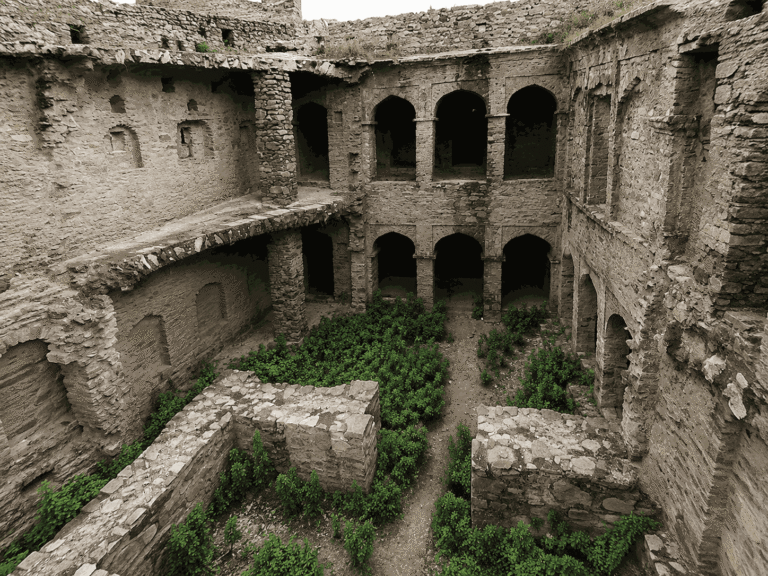
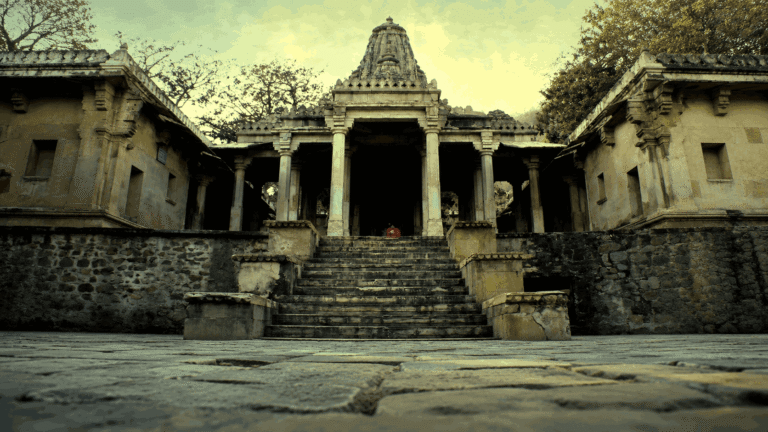
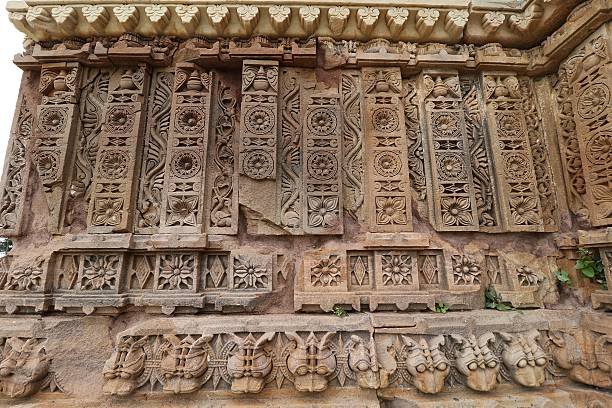
Bhangarh is not just stone ruins.
It’s a mix of:
– Rocky terrain
– Dense vegetation in parts
– Large banyan trees
– Maintained green patches within the complex
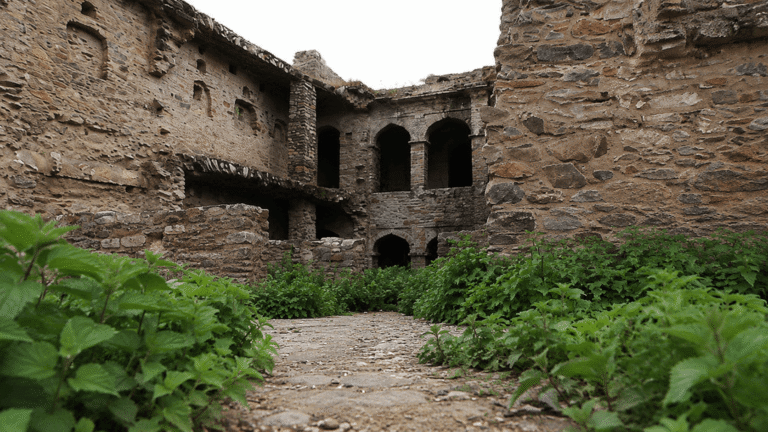
That combination creates contrast.
Some areas feel open and exposed.
Others feel enclosed and overgrown.
This shifting environment makes navigation feel less predictable.
Which again contributes to how people experience the space.
Getting There Reinforces the Isolation
The nearest village, Gola ka Baas, is small.
Access roads to Bhangarh are not urban in character.
You pass through:
– Semi-rural stretches
– Uneven or partially developed roads
– Areas with minimal infrastructure
There’s no gradual transition from city to monument. You go from active zones to quiet ones fairly quickly.
That shift matters psychologically. Because it prepares your mind for something different, even before you arrive.
Why the Forest Proximity Feels Like “Mystery”
This is where perception comes in.
Most visitors don’t consciously think: “This place is near a forest, so it feels isolated.”
Instead, they experience:
– Silence
– Stillness
-Unpredictability
-Distance from human activity
And interpret it as: “Something is off.”
That’s how the Bhangarh Fort mystery builds itself.
Not from one cause, but from multiple subtle environmental signals.
How Environment and Story Combine
By the time most people visit Bhangarh, they already know:
– It is considered haunted
– It has a curse story
Entry is restricted after sunset. Now add:
– Forest proximity
– Wildlife possibility
– Geographical isolation
And the experience becomes layered. You’re not just in ruins.
You’re in ruins that feel removed from normal life. That amplifies everything.
Is Bhangarh Inside the Forest?
Not exactly.
It sits at the edge of the Sariska Tiger Reserve—not deep inside it.
But because there is no hard separation between zones, the distinction is less important on the ground.
What matters is this: The fort is directly influenced by its surrounding natural environment.
Why This Matters for Visitors
Understanding the location changes how you interpret the experience.
Instead of thinking: “This place feels strange because something supernatural is happening”
You start to see:
– Isolation – Silence
– Terrain
– Environmental exposure as contributing factors.
That doesn’t make the experience less intense.
It makes it more understandable.
Final Thought
So, is Bhangarh near a forest?
Yes. And that fact explains more about the place than most legends do.
Its position at the edge of the Sariska Tiger Reserve, within the Aravalli hills, creates real isolation, real environmental influence, and real conditions that shape how people feel when they walk through it.
The silence isn’t accidental. The stillness isn’t staged.
The atmosphere isn’t entirely imagined.
It’s built, slowly, by geography.
And once you see that, the mystery doesn’t disappear.
It just becomes clearer.
Read Next:
- How Bhangarh Fort Is Built: Layout, Architecture, and City Design
- Animals in Bhangarh Fort: Wildlife Around the Ruins
- Why Is Entry Prohibited After Dark in Bhangarh?
For more articles on paranormal phenomena & haunted places, explore the Myth Vs Reality Hub