Who Was the Tantrik of Bhangarh?
The Story of Singhia
Every haunted place eventually gets a villain.
For Bhangarh, that figure is the tantrik.
Ask people about the fort’s curse and many will immediately mention him before they explain anything else—an occult practitioner obsessed with Princess Ratnavati, driven by desire, black magic, and revenge. In most retellings, he is the man blamed for bringing ruin to the entire city.
His name, according to the legend, was Singhia.
And if Ratnavati is the emotional heart of Bhangarh’s mythology, then Singhia is its darkness.
But as with most folklore tied to Bhangarh, the first thing worth stating clearly is this:
The story of Singhia belongs to legend, not firmly verified history.
There is no strong historical evidence conclusively proving that a tantrik named Singhia existed exactly as the story describes him. His role survives through oral retelling, repeated folklore, and the modern myth-making surrounding the fort.
Still, whether historically verified or not, his legend has become central to how Bhangarh is understood.
Because in public imagination, Bhangarh is not just a ruined fort.
It is a place someone cursed.
And Singhia is the one said to have done it.
Who Was Singhia in the Bhangarh Legend?
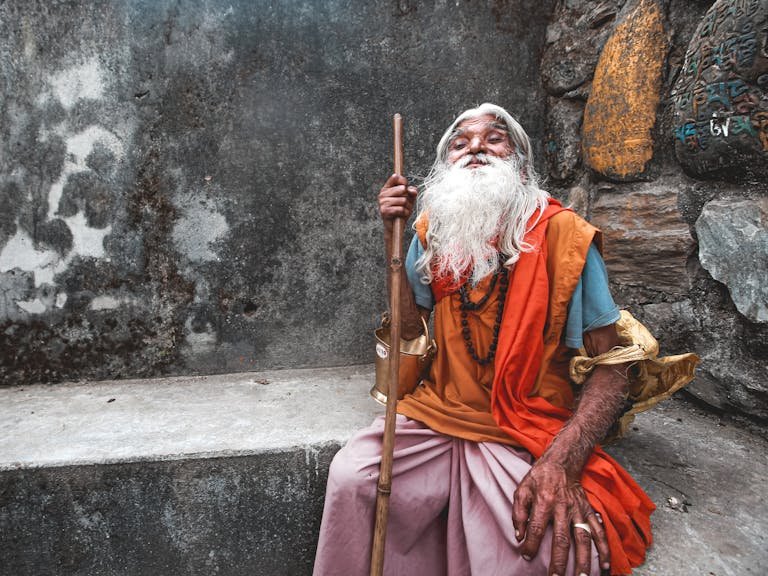
In the most widely repeated version of the Bhangarh tantrik story, Singhia was a powerful tantrik or occult practitioner living near Bhangarh during the reign of Princess Ratnavati.
He is typically described as:
highly skilled in black magic
feared for his occult abilities
obsessed with Ratnavati’s beauty
consumed by desire he could not fulfill
Whether he is portrayed as a hermit, court outsider, or dark practitioner varies by retelling.
That part shifts.
The core of the myth does not:
Singhia desired Ratnavati and turned to magic when he could not win her.
The Black Magic Incident
According to the folklore, Singhia learned that Ratnavati’s attendants were purchasing cosmetics, oil, or perfume for her use.
He secretly enchanted one of the items with black magic.
The intention, the legend says, was simple:
Once Ratnavati touched or used the enchanted object, she would fall under his control and be drawn to him against her will.
But the plan failed.
In most versions, Ratnavati somehow sensed the enchantment—either through intuition, warning, or observation—and threw the item away before using it.
The enchanted object struck a large boulder.
The magic reversed.
The stone then rolled toward Singhia and crushed him.
Mortally wounded, he used his dying breath to curse Bhangarh.
And that curse, according to the legend, doomed the city.
What Was the Curse?
Versions differ in wording, but the essence remains consistent:
Singhia cursed Bhangarh so that it would fall into ruin and never prosper again.
In some tellings:
the kingdom would be destroyed in war
no soul would ever live there peacefully
those who died there would never attain peace
the city would remain abandoned forever
The exact wording changes because folklore rarely remains fixed.
But the idea stays the same:
Bhangarh’s destruction is framed not as political decline or historical collapse, but as supernatural consequence.
That is the legend’s power.
It gives the ruins intent.
Is There Historical Proof Singhia Was Real?
No conclusive historical documentation firmly verifies Singhia as a historical figure in the way the folklore describes.
That does not necessarily prove he never existed.
It means:
no strong historical records establish his role in Bhangarh’s fall
no verified evidence confirms the curse narrative as documented history
the modern story is best treated as folklore rather than established fact
This is common with legends of this kind.
Over time, real places attract mythic figures to explain events history leaves uncertain.
Singhia may represent that process more than a provable individual.
Why Singhia Became Essential to the Myth
Because abandoned cities rarely become famous through vague decline alone.
People want causes.
Preferably dramatic ones.
A ruined fort abandoned over time due to political and environmental shifts is historically plausible.
But emotionally, it lacks force.
A city destroyed because an obsessed occultist cursed it with his dying breath?
That survives.
Singhia gives Bhangarh’s story:
a villain
a supernatural catalyst
a clear reason for destruction
a moral dimension to the legend
Without him, Bhangarh is merely tragic.
With him, it becomes cursed.
The “Evil Tantrik” Archetype in Indian Folklore
Part of why the Singhia story resonates so strongly is because it fits a familiar narrative pattern.
Across Indian folklore, the figure of the tantrik often appears as:
powerful but dangerous
spiritually skilled yet morally corrupted
a wielder of forbidden knowledge
someone whose ambition leads to destruction
That does not reflect all real practitioners of tantra, obviously.
It reflects a recurring cultural archetype in storytelling.
Singhia fits neatly into that tradition.
Which may be one reason the story spread so easily.
People already understand what kind of figure he is meant to be.
The legend requires little explanation.
Why Visitors Still Remember His Name
Because Singhia transforms Bhangarh from mystery into narrative.
Without him, Bhangarh’s haunted reputation is abstract.
With him, the fort has:
a cursed origin
a central antagonist
a tragic chain of events
a story visitors can retell in full
That matters.
Most famous haunted places survive not because they are frightening in the abstract, but because they have memorable mythology attached to them.
Singhia makes Bhangarh’s story memorable.
Final Thought
So who was the tantrik of Bhangarh?
According to the legend, he was Singhia—the occult practitioner whose obsession with Princess Ratnavati led to black magic, his own death, and the curse said to have doomed the city.
Historically, that account remains unverified.
But in folklore, verification is often beside the point.
Because Singhia’s importance is not just whether he existed exactly as described.
It is what he represents:
The explanation people gave for why a once-living city became a ruin.
The villain attached to the tragedy.
The darkness inside the myth.
And once a ruined place gets a villain powerful enough to explain its fall, the story rarely fades.
It deepens.
Read Next:
The Curse of Bhangarh: How the Legend Began and Why It Endures
Who Was Ratnavati? The Legend Behind Bhangarh’s Most Famous Story