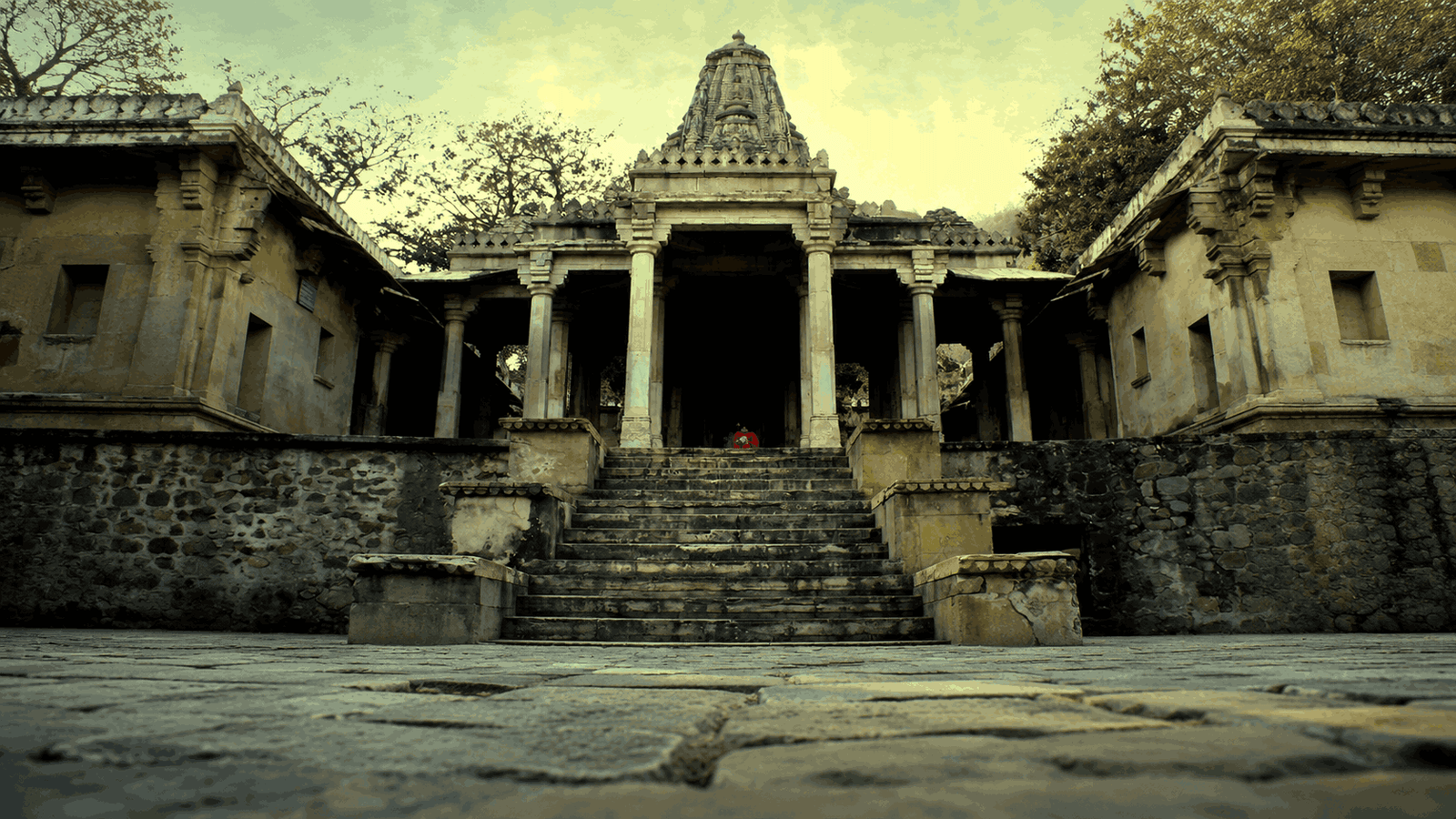
Temples in Bhangarh Fort Feel Unusual for a Reason
The temples in Bhangarh Fort are one of the first things you notice.
For a place known more for silence than prayer, Bhangarh has an unusual number of temples.
You notice them almost immediately.
Before the palace, before the deeper ruins, before the unease sets in.
Temples.
Standing. Intact. Watching.
And it feels… slightly off.
Because if the rest of the city fell into decay, why do these still hold their form?
Why are they placed so prominently?
And why do they seem untouched compared to everything around them?
It’s the kind of detail that quietly feeds the larger story.
But the answer begins somewhere far less mysterious.
This Was Never Just a Fort
Bhangarh wasn’t built as an isolated stronghold.
It was designed as a planned township.
A functioning city.
With:
– A palace at the top
– Residential areas
– A structured marketplace and religious spaces woven into the layout
Temples weren’t added later.
They were part of the original design.
Which means their presence is not unusual.
Their placement, however, is intentional.
The First Structures You Encounter
As you pass through the main entrance, you don’t walk into houses.
You walk into a temple zone.
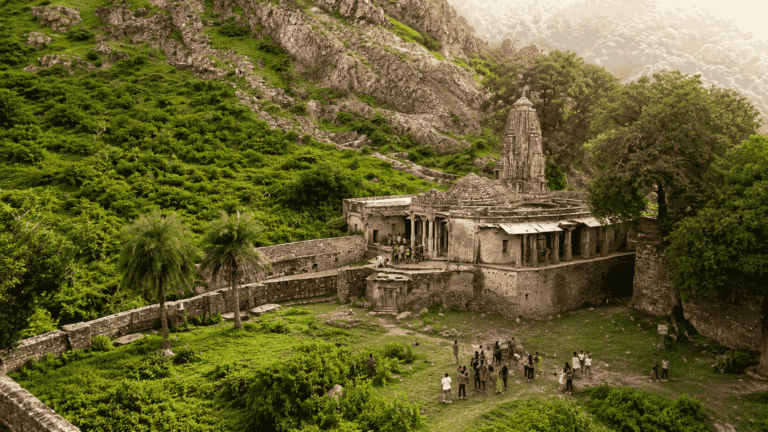
The Hanuman Temple appears almost immediately, still active, still visited.
That positioning matters. It acts like a threshold. A symbolic entry into the city.
In medieval town planning, especially under Rajput rulers, temples were often placed:
– Near entrances
-At central intersections
– Along main pathways
Not hidden. Visible. Accessible.
Integrated into daily life.
The City Was Built Around Them
Move further in and you encounter more:
– Gopinath Temple
– Someshwara Temple
– Mangla Devi Temple
They are not randomly scattered.
They are embedded within the structure of the city.
Near:
– The marketplace (Jauhari Bazaar)
– Residential zones
– Key movement paths
Which tells you something important. Temples were not separate from the city.
They were part of how it functioned.
The Gopinath Temple: Built to Last
Among them, the Gopinath Temple stands out.
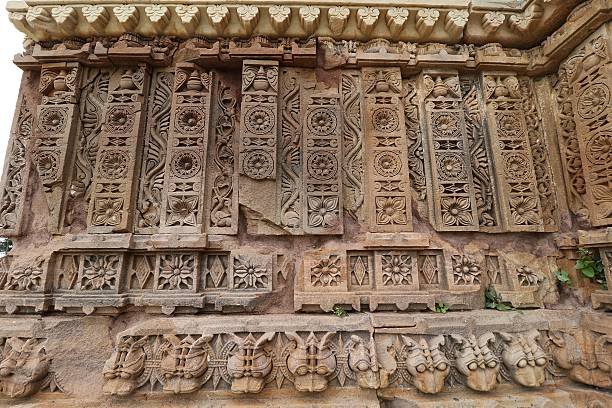
Raised on a high stone plinth, detailed with carvings, and structurally intact.
Even now, it feels complete.
While everything around it looks worn down.
That contrast is where the discomfort begins.
Because it feels selective.
As if:
– Something spared these structures
– While the rest of the city didn’t survive
And once that thought enters, it’s hard to ignore.
The Someshwara Temple: Still Holding Presence
Unlike most structures in Bhangarh, the Someshwara Temple still retains a Shivlinga.
That changes how you experience it.
Because it doesn’t feel abandoned. It feels paused.
Which again creates contrast:
– Empty homes
– Silent marketplace
but a temple that still carries meaning. That adds to the atmosphere.
Why Temples Survive Longer
There’s a practical explanation for all of this.
Temples were built differently.
They used:
– Heavier stone
– Stronger foundations
– Detailed architectural methods (Nagara style)
While houses relied more on:
– Lighter materials
– Functional construction
– Elements like wood that decay over time
So what you’re seeing is not protection. It’s durability.
Temples were built to last. Homes were not.
Why the Layout Still Feels Strange
Even after knowing that, the layout still feels strange.
Because of how everything is positioned.
Temples:
– At the entrance
– Along the central path
– Visible from multiple angles
It creates the sense that the city is… surrounded.
Not physically. But symbolically.
And that’s where the story shifts.
Why That Interpretation Feels Convincing
Because the visual supports it.
You see:
– Preserved temple carvings
– Structured sanctums
– Elevated platforms
Next to:
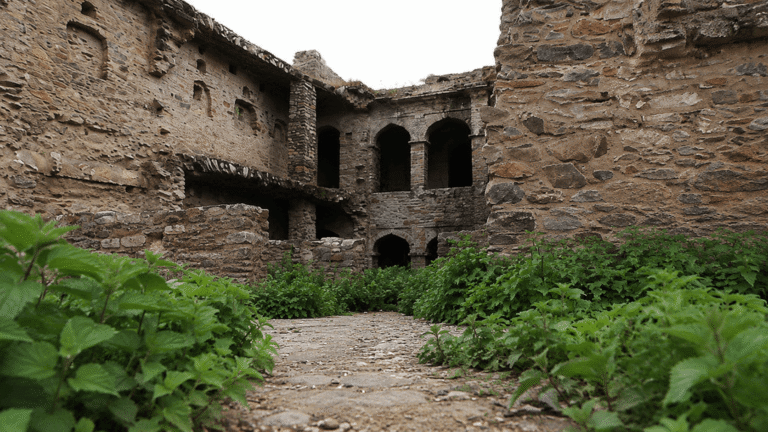
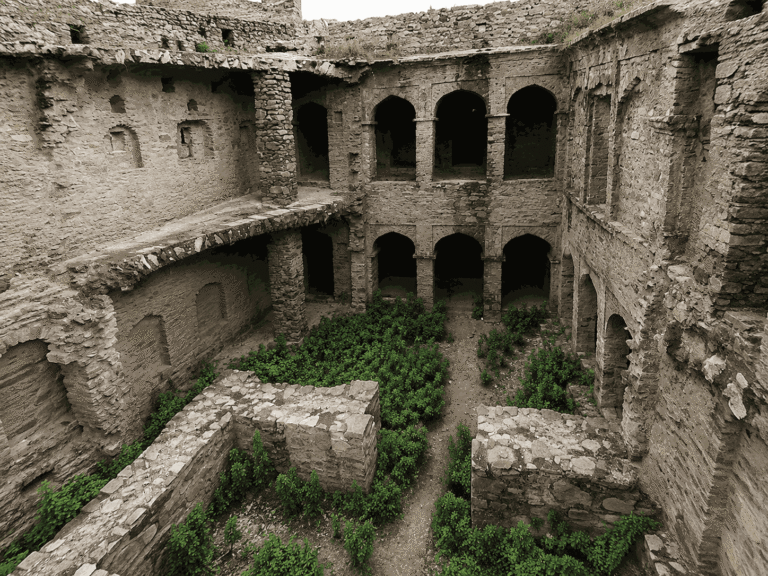
– Roofless homes
– Empty streets
– Fragmented walls
The brain connects the dots. It prefers intention over coincidence.
So it reads the scene as: selective destruction, not gradual decay.
But the Reality Is Simpler
Bhangarh’s temples weren’t “protected.”
They were built better. They were maintained longer.
And in some cases, they continued to hold religious importance even after the city declined.
While:
– Homes were abandoned
– Marketplaces stopped functioning
– Daily life disappeared
Temples, by design, outlasted everything else.
The Role They Actually Played
In its time, Bhangarh’s temples served multiple roles:
– Spiritual centers
– Community gathering spaces
– Markers of identity and culture
They weren’t mysterious. They were essential.
Everyday.
Why They Feel Different Today
Because everything around them is gone.
What used to be balanced is now uneven.
What used to be integrated is now isolated.
So the temples feel more prominent than they were meant to be.
Almost like they’re watching the ruins.
But that’s perception. Not design.
Final Thought
So why are there so many temples in Bhangarh Fort?
Because it was a living city where religion, daily life, and structure were deeply connected.
Not a cursed landscape built around mystery.
The temples weren’t spared by something unseen.
They simply lasted longer than everything else.
And in a place where so much has disappeared, what remains tends to feel more powerful than it really is.
Especially when you’re already looking for meaning.
Read Next:
- How Bhangarh Fort Is Built: Layout, Architecture, and City Design
- Bhangarh Fort Temples: Why Some Sanctums Are Empty
- Empty Temples in Bhangarh Fort: Why Some Idols Are Missing
For more articles on paranormal phenomena & haunted places, explore the Myth Vs Reality Hub