What People Expect at Bhangarh
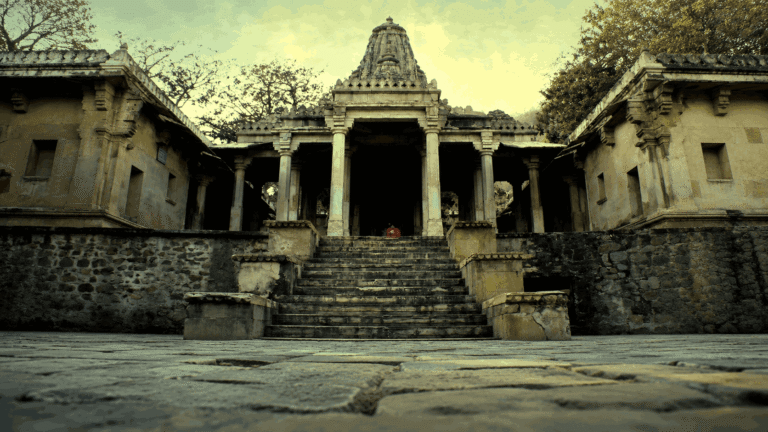
Most people go to Bhangarh expecting ghosts.
What they don’t expect is wildlife.
But animals in Bhangarh Fort are part of what makes the ruins feel alive, unpredictable, and different from a normal tourist site.
But spend enough time there—especially if you’re paying attention—and it becomes obvious:
This is not just a ruin.
It’s part of a living ecosystem.
Which raises a more grounded question:
What animals are actually found in Bhangarh Fort?
And more importantly—does wildlife play a role in how the place feels?
The answer is yes.
And once you understand it, a lot of the “mystery” starts to make more sense.
Bhangarh Sits Close to a Wildlife Landscape
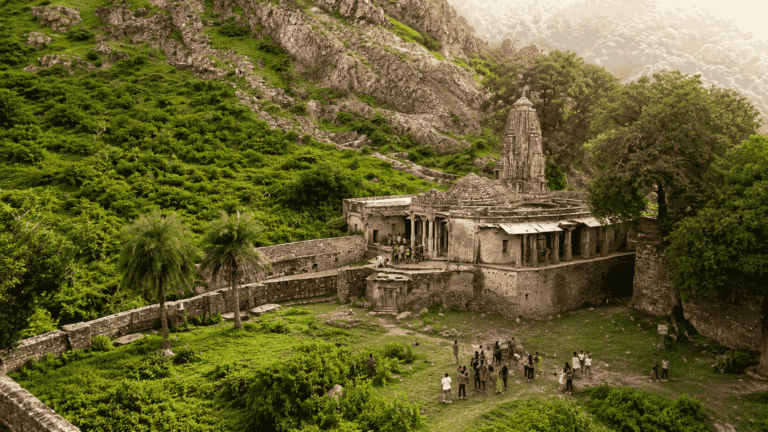
Bhangarh Fort sits close to the Sariska Tiger Reserve landscape and the Aravalli hills. That means the ruins are not completely separated from nature. The area around the fort connects to a larger ecosystem, even though the main visitor zone remains a heritage site.
That means:
– It is not isolated from nature
– It is directly connected to a larger wildlife ecosystem
– There is no strong physical barrier separating the forest from the ruins
This is not a museum environment. It’s a heritage site sitting inside an active natural landscape.
Are Tigers Found Near Bhangarh?
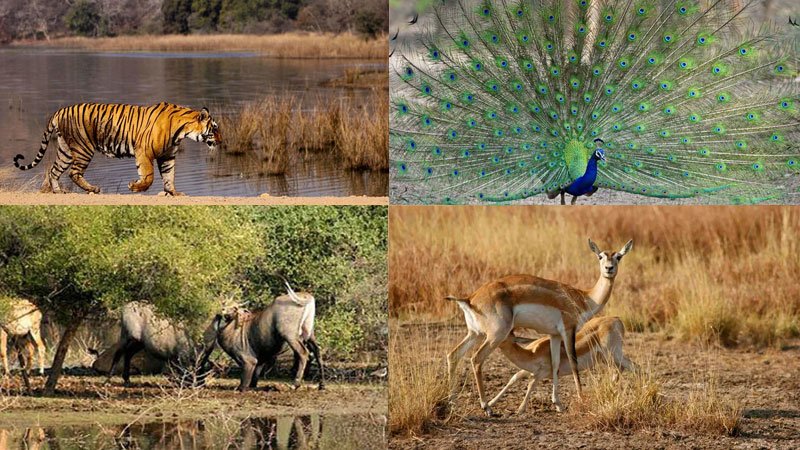
Bengal tigers exist within Sariska Tiger Reserve, but visitors should not expect to see tigers inside Bhangarh Fort. Any discussion of tigers should be understood in the wider Sariska landscape, not as a normal visitor experience inside the ruins.
At night, movement patterns change but that doesn’t mean tourists regularly encounter tigers inside the fort.
This distinction matters.
Because the presence of tigers in the region is real. But the way it’s imagined is often exaggerated.
Leopards Are More Relevant to the Terrain
If there is one large predator more naturally suited to the Bhangarh landscape, it’s the leopard.
Why?
Because the terrain around the fort is:
– Rocky
– Uneven
– Partially forested
– Filled with natural cover
This is ideal leopard habitat. Leopards are well suited to rocky, partially forested terrain in the broader Aravalli-Sariska landscape.
That does not mean visitors commonly encounter them near the fort.
Commonly visible around the ruins
Beyond apex predators, the region supports several smaller carnivores.
These include:
– Monkeys
– Peafowl
– Birds
grazing animals such as deer or nilgai, where present
These animals tend to:
– Avoid human presence
– Stay active during quieter hours
– Move through less crowded parts of the landscape
You are unlikely to see them during a typical visit.
But their presence is part of the ecosystem.
The Animals You Are Most Likely to See
This is where things become more visible.
Herbivores are common in and around Bhangarh.
You may easily encounter:
– Sambar Deer
– Spotted Deer (Chital) –
– Nilgai (Blue Bull)
These animals are often seen:
– Grazing on open patches
– Moving near temple areas
– Crossing pathways within the complex
They are calm, accustomed to the environment, and part of the daily rhythm of the space.
Monkeys: The Most Noticeable Residents
If there is one group of animals you will definitely notice, it’s primates.
Bhangarh has a strong presence of:
– Rhesus Macaques
– Hanuman Langurs
They are:
– Active
– Visible
– Comfortable around humans
And sometimes: bold
This is where actual interaction risk is highest—not from predators, but from monkeys that may approach visitors expecting food.
Birdlife Is Everywhere
Bhangarh is also rich in bird species.More than 200 species are found in the broader Sariska region and so some of the common sightings in Bhangarh include:
– Indian Peafowl (Peacocks)
– Crested Serpent Eagle
– Golden-backed Woodpeckers
– Grey Francolins
– Peacocks, in particular, are hard to miss.
They move freely through the ruins, often adding to the atmosphere people describe as “surreal.”
Reptiles and the Landscape
The dry, rocky environment around Bhangarh supports reptile life.
This includes:
– Monitor Lizards
I- ndian Pythons (in surrounding areas)
– Snakes, including species like cobras and vipers
Important clarification: These are not commonly encountered in the main tourist pathways during the day.
But they are part of the broader ecosystem, especially in:
– Undergrowth
– Forest edges
– Less frequented areas
Why Wildlife Matters More Than You Think
Animals in Bhangarh Fort matter because they change how people experience silence, movement, and uncertainty inside the ruins.
Now here’s the key point. Wildlife doesn’t just exist in Bhangarh.
It influences how the place feels.
Think about it:
– Sudden movement in peripheral vision
– Unexplained sounds
– Rustling vegetation
– Distant animal calls
Even if you don’t see the animal, you sense activity.
And when that happens in:
– A silent
– Abandoned
– Visually broken environment
…the brain reacts.
Wildlife + Silence = Perception Shift
In a normal city, unexpected sounds are easy to explain.
In Bhangarh, they aren’t.
So the brain fills in the gap.
A sound becomes something else.
Movement becomes something more.
That’s how perception builds.
Not from imagination—but from incomplete information.
Why This Links to the Night Restriction
The presence of wildlife is one of the practical reasons behind the sunset restriction at Bhangarh.
After dark:
– Visibility drops
– Human presence disappears
– Animal movement increases
The site becomes less predictable. That’s enough reason for restricted access.
No supernatural explanation required.
Is Wildlife Dangerous for Visitors?
During normal daytime visits:
– The risk is low
– Movement is visible
– Animals avoid crowds
The main precautions are simple:
– Don’t feed monkeys
– Don’t wander into isolated areas
– Stay on common pathways
– Avoid late hours
That’s it.
Final Thought
So what animals live in Bhangarh Fort?
More than most people expect.
From deer grazing near temples to monkeys moving through ruins, from birds filling the silence to predators existing just beyond visible zones, the fort is part of an active ecosystem.
And that changes how you experience it.
Because what people often describe as “something strange” in Bhangarh isn’t always imaginary.
Sometimes, it’s just the presence of life, unseen, unheard clearly, but very much there.
And in a place already shaped by silence and expectation, that’s enough to feel like something more.
Read Next:
- Is Bhangarh Near a Forest? The Real Surroundings of the Fort
- Is Bhangarh Fort Safe to Visit? What You Should Know Before Going
- Why Is Entry Prohibited After Dark in Bhangarh?
For more articles on paranormal phenomena & haunted places, explore the Myth Vs Reality Hub