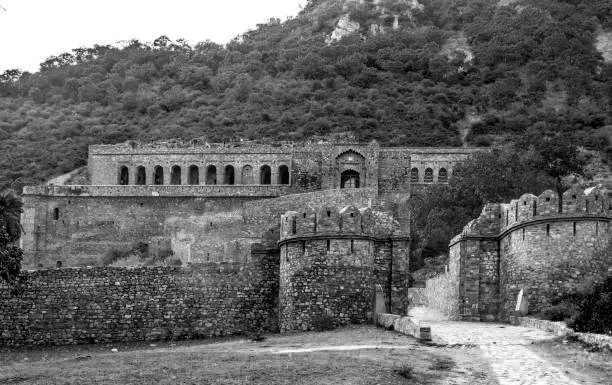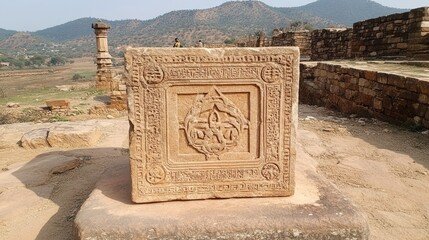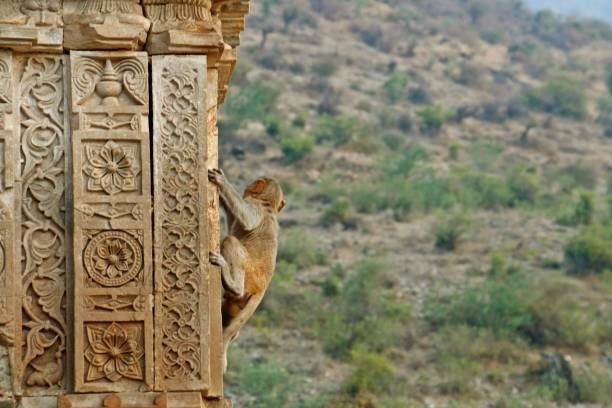
Why Are the Temples in Bhangarh Fort Empty? The Real Reasons Behind the Missing Idols
Walk into most temples in India and you know what to expect.
A sanctum.
A deity.
A focal point that pulls your attention inward.
Now walk into some of the temples inside Bhangarh Fort.
The structure is there.
The carvings are there.
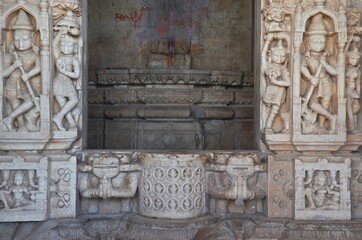
The space where the deity should be… is empty.
That moment lands harder than people expect.
Because it doesn’t feel like a ruin.
It feels like something is missing.
And that’s where the question comes from:
Why do the temples in Bhangarh Fort have no idols?
Most answers you’ll hear point toward the curse.
The real reasons are quieter. And far more practical.
What Visitors Actually See
Within the Bhangarh complex, there are several temples—among them:
Gopinath Temple
Mangla Devi Temple
Someshwara Temple
The first two are often noted for their empty sanctums. No central deity. No idol anchoring the space.
But then there’s an exception.
The Someshwara Temple still contains a Shivlinga, and continues to hold a degree of active religious significance.
That inconsistency is important.
Because it suggests the situation isn’t explained by a single dramatic event.
The Most Common Explanation: “The Gods Left”
Many visitors hear some version of this:
The deities left because Bhangarh was cursed.
It fits neatly into the broader Bhangarh haunted story—a cursed land, abandoned by both people and gods.
But this explanation belongs to folklore.
Not documented history.
It reflects how people interpret what they see, not necessarily what actually happened.
The More Likely Starting Point: Abandonment
Bhangarh did not become empty overnight.
Historical context points toward gradual decline, influenced by:
environmental stress, including famine conditions in the late 18th century
shifting political importance
migration away from the region
As the population left, temple activity would have declined.
That’s where the change begins.
Because a temple without regular worship is no longer protected or maintained in the same way.
When Worship Stops, Structures Follow
Temples depend on continuity.
Daily rituals.
Caretakers.
Community presence.
Once those disappear:
maintenance slows down
structures weaken over time
sacred objects become vulnerable
The sanctum—the most important part of the temple—becomes exposed.
And that leads to the next factor.
Theft and Loss Over Time
In abandoned or poorly monitored sites, idol theft is not uncommon.
Over long periods, it’s possible that:
idols were stolen
damaged beyond recovery
removed during periods of neglect
Accounts from visitors and general patterns across similar heritage sites support this possibility.
But there’s a limitation here.
Not every removal is documented.
Which means the absence of idols feels more mysterious than it actually is.
Another Possibility: Relocation for Protection
There is also a quieter explanation.
In some cases, idols from abandoned temples are relocated to:
nearby active temples
safer locations
places where worship can continue
This is done to:
protect the deity from theft or damage
maintain religious continuity
preserve cultural artifacts
While there isn’t always public documentation for each idol, this practice is well known in heritage contexts.
So the absence of a deity does not always mean it was lost.
Sometimes, it was moved.
Why Some Temples Still Have Deities
The presence of the Shivlinga in Someshwara Temple changes how we should interpret the situation.
If the absence of idols were due to a supernatural cause, you would expect it to be consistent.
It isn’t.
Some structures retain religious elements.
Others do not.
That points toward practical, site-specific reasons—not a uniform event.
Why Empty Sanctums Feel So Disturbing
Even after understanding all this, the experience doesn’t fully settle.
An empty temple feels different.
That’s because temples are designed around presence.
You expect:
a visual center
a spiritual anchor
a sense of completion
When that’s missing, the space feels unresolved.
The brain notices that immediately.
And it doesn’t like unresolved patterns.
The Mind Fills the Gap
This is where perception takes over.
Visitors already come to Bhangarh with a story in mind:
the curse
the abandoned city
the warnings
So when they see an empty sanctum, the mind connects it instantly:
“Even the gods are not here.”
That conclusion feels natural.
Even if it isn’t evidence-based.
Because the environment supports it.
How Folklore Reinforces the Idea
Once a physical detail exists—empty temples—folklore adapts to explain it.
The explanation becomes:
the deities left the cursed land
the gods abandoned the city
the temples were emptied because of supernatural events
These are not documented conclusions.
They are narrative responses to visual absence.
And over time, they become part of the Bhangarh fort mystery itself.
What Actually Explains the Missing Idols
Put together, the most grounded explanation includes:
gradual abandonment of the city
breakdown of temple maintenance systems
exposure to theft and vandalism over time
possible relocation of idols for protection
loss of continuous worship
None of these are dramatic individually.
But together, they explain the outcome.
Why the Myth Still Feels Stronger
Because the myth offers a cleaner answer.
It says:
Something happened here.
The real explanation says:
Things changed slowly over time.
One is emotionally satisfying.
The other is historically plausible.
Most people lean toward the first.
Final Thought
So why do the temples in Bhangarh Fort have no idols?
Not because the gods left in response to a curse—but because the systems that sustained those temples gradually disappeared.
What remains is the structure.
And the absence.
And in a place already shaped by silence, ruins, and expectation, that absence feels heavier than it actually is.
Because sometimes, what isn’t there becomes more powerful than what is.
Read Next:
- Why Bhangarh Feels Haunted (Reality Explained)
- The Real Story of Bhangarh Fort: History, Decline, and How It Became Famous
- The Curse of Bhangarh: How the Legend Began and Why It Endures
Or explore the full story behind Bhangarh on the main hub page.