Why the Bhangarh Curse Still Defines the Fort
Bhangarh curse explained properly means separating the core Ratnavati–Singhia legend from later exaggerations, modern retellings, and internet myth-making.
Everyone asks for the same thing when it comes to Bhangarh:
– Not history
-Not architecture
-Not timelines.
The story. The full one:
– Who cursed it?
– What actually happened?
– Why is it called haunted?
And more importantly, is any of it real?
The Bhangarh haunted story has been told so many times that it now feels less like folklore and more like fact. But once you start pulling it apart, you realize something interesting:
– There isn’t just one version.
– There’s a core narrative.
– Then layers.
– Then exaggeration.
– Then modern retelling.
So if you’re looking for the complete legend of Bhangarh—from beginning to end—this is what people mean when they talk about it.
The Setting Before the Story
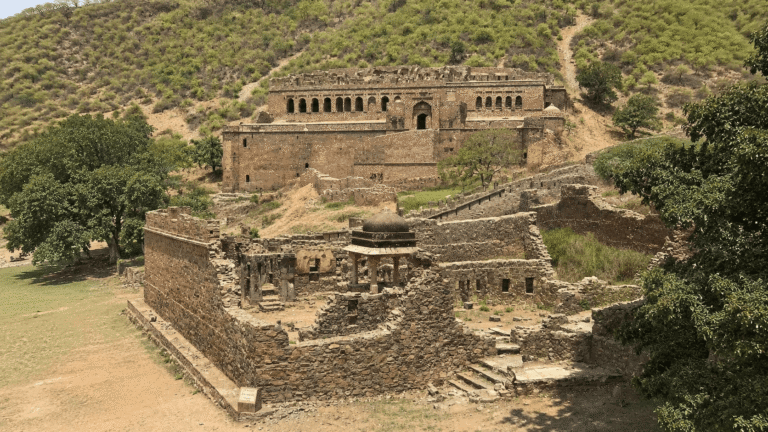
Before the curse, before the myth, before the fear—Bhangarh was a functioning settlement.
A fortified town in Rajasthan. Palaces, temples, markets.
A place that once had people, structure, movement.
That part is often skipped.
Because ruins are easier to associate with mystery than with normal life.
But it matters.
Because every haunted story needs something to fall from.
The Princess at the Center: Ratnavati
The legend almost always begins with her.
Princess Ratnavati.
Described as exceptionally beautiful, intelligent, and admired across regions. Her presence is what anchors the emotional core of the entire Bhangarh legend.
Without her, the story collapses into abstraction.
With her, it becomes personal.
And that’s important.
Because folklore survives through people, not places.
The Man Who Changed the Story: Singhia
Then comes the second figure.
The one that shifts the story from royal narrative to something darker.
A tantrik.
Known in most retellings as Singhia.
He is described as:
– Powerful in occult practices
– Feared or respected for black magic
– Obsessed with Ratnavati
That last part drives everything.
Because once desire enters a myth, it rarely stays contained.
The Black Magic Incident
This is where the Bhangarh curse story takes shape.
According to the legend, Singhia wanted Ratnavati but could not approach her directly. So he turned to magic.
He enchanted an object meant for her.
Usually described as:
– Perfume
– Oil
– Cosmetic paste
The intention was simple:
Once she used it, she would fall under his control. In the legend, this makes Singhia’s act not just magical, but violating, an attempt to take away Ratnavati’s will.
But something goes wrong. Ratnavati senses the trap.
In some versions, she is warned. In others, she understands instinctively.
Instead of using the object, she throws it away.
It hits a boulder.
And the magic reverses.
The Death That Creates the Curse
The enchanted object causes the boulder to roll toward Singhia.
It crushes him. That’s the turning point.
Not because he dies. But because of what he does next.
As he lies dying, Singhia curses Bhangarh.
The Curse of Bhangarh
The exact words change depending on who tells it.
But the meaning stays the same.
He curses the city so that:
– It will be destroyed
– No one will live there peacefully
– The place will fall into ruin
– Those who die there will not find peace
That’s the core of the cursed story of Bhangarh Fort.
Not just death. Not just destruction.
A lingering effect. A place that cannot return to normal.
What Happens After the Curse
This is where the legend becomes less consistent.
Some versions say:
– The kingdom was attacked soon after
– War followed
– The city fell rapidly
Others imply something more sudden, almost overnight.
And some don’t explain the transition at all.
They simply move from: curse → ruin
That gap is important.
Because it shows where folklore fills in what history does not clearly explain.
Is This the Real History of Bhangarh?
No.
And that distinction needs to be clear.
The Ratnavati–Singhia story is not firmly established historical record.
It is a folklore narrative.
That means:
– It has been passed down through oral storytelling
– It has evolved over time
– Details have shifted across versions
i- It exists more in cultural memory than documented archives
That doesn’t make it irrelevant. It makes it different.
How the Story Spread and Became “Fact”
Here’s where things get interesting.
Most people today don’t hear this as a legend.
They hear it as: “What actually happened in Bhangarh.”
Why? Because of repetition.
Over time:
– Tourist guides repeat it
– Media dramatizes it
– YouTube amplifies it
– Blogs simplify it
– Audiences retell it
And slowly, the qualifiers disappear.
“It is believed…” becomes, “It happened…”
That shift is how folklore turns into assumed truth.
Why This Legend Dominates All Others
There could have been many stories about Bhangarh.
Only this one survived at scale.
Because it has everything:
– A princess
– Obsession
– Forbidden magic
– Reversal of power
– A dying curse
– A ruined city
It’s structurally complete. You don’t need to add anything.
That’s why it travels.
The Role of Oral Storytelling
The Bhangarh haunted story in Hindi and regional languages has played a huge role in shaping the legend.
Different regions tell it slightly differently.
Different storytellers emphasize different parts:
– Some focus on Ratnavati’s intelligence
– Some on Singhia’s power
– Some on the curse itself
Over time, these variations blend.
No single “original version” survives clearly.
Instead, what you get is a flexible narrative that adapts but never disappears.
Why the Curse Feels Convincing
Because it explains the ruins. That’s the key.
Bhangarh is not a small abandoned structure.
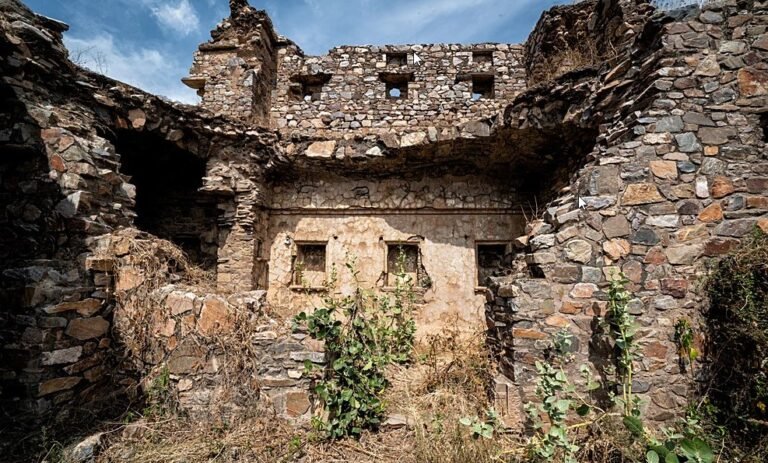
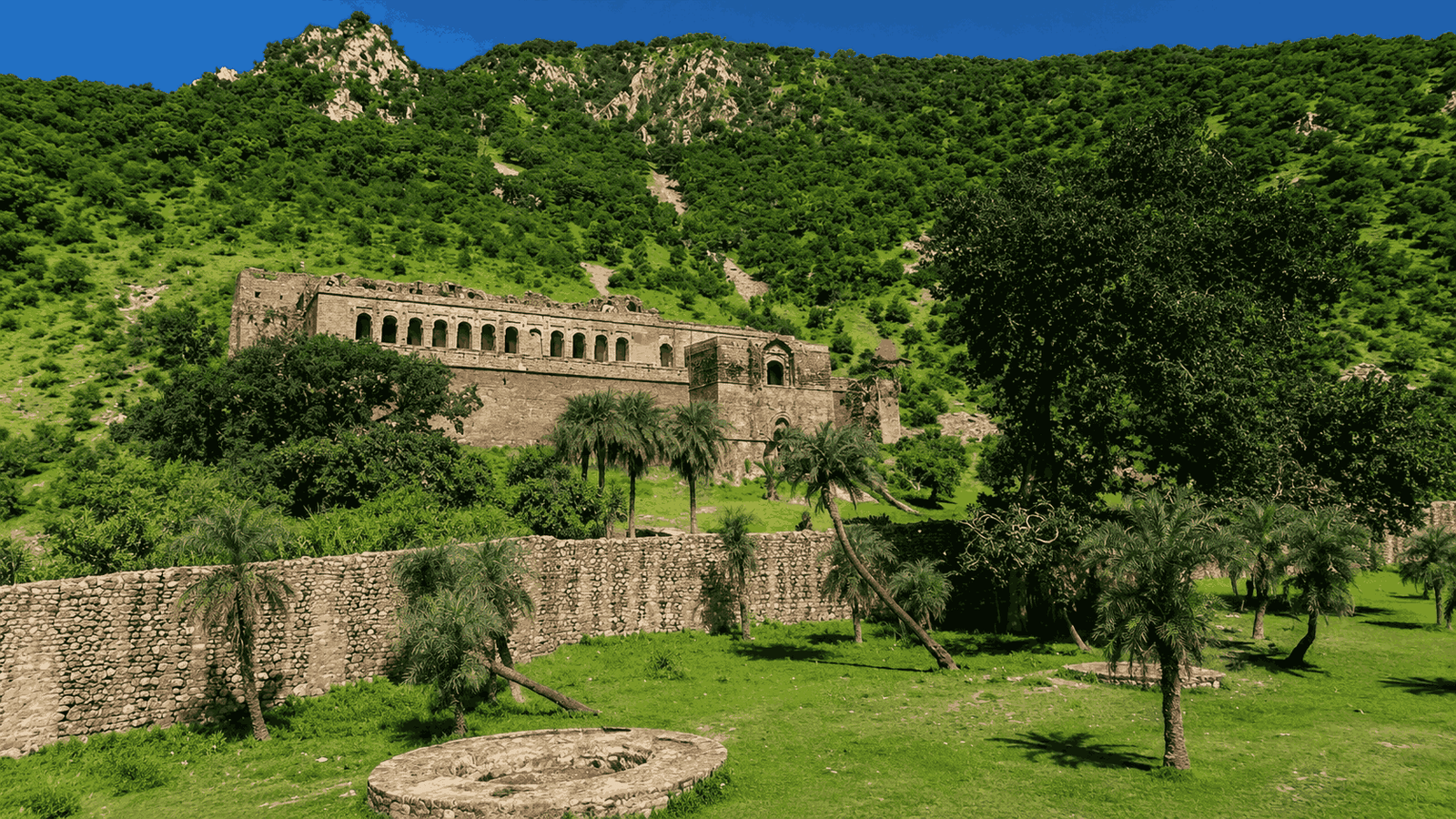
It is a full settlement in decay.
When people see something like that, they look for a cause.
A gradual historical decline feels incomplete.
A curse feels final. Clean. Definitive.
That emotional clarity makes the legend more satisfying than reality.
Bhangarh Curse Explained: Where Legend Ends and Reality Begins
The Bhangarh curse explained through folklore is not the same as documented history. It is a story shaped by oral retelling, atmosphere, and the need to explain ruins through a single dramatic cause.
Historically, Bhangarh likely declined due to a combination of:
– Political shifts
– Regional instability
– Environmental factors
– Changing relevance
But those explanations are layered and complex.
The legend compresses everything into one moment.
One decision. One curse.
That’s what makes it powerful.
Why the Story Still Defines Bhangarh Today
Because the legend is easier to remember than the history.
And because the place reinforces it:
– The silence.
– The ruins.
– The layout.
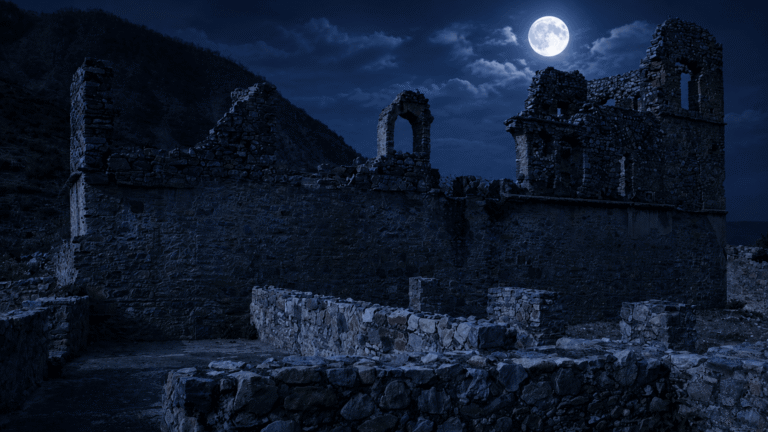
Everything about Bhangarh makes the story feel possible.
Even if it isn’t proven.
And once a place feels like its legend could be true, people stop questioning it deeply.
They experience it instead.
Why the Curse Explanation Works So Well
The curse explanation works because it gives the ruins a complete emotional structure. There is beauty, desire, violation, resistance, death, curse, and consequence. The place does not just look abandoned. The legend tells people why it had to become abandoned. That is why the story keeps returning.
Final Thought
So what is the Bhangarh curse explained in simple terms?
It is the legend of Princess Ratnavati and the tantrik Singhia—a story of obsession, black magic, and a dying curse said to have brought down an entire city.
It is also a piece of folklore, shaped over time, repeated across generations, and strengthened by the atmosphere of the ruins themselves. It may not be verified history.
But it has become something else.
A narrative so tightly attached to the place that separating the two no longer feels natural.
And that is why the story endures.
Read Next:
- Who Was Rani Ratnavati of Bhangarh?
- Tantrik of Bhangarh: The Story of Singhia and the Curse
- Bhangarh Real Story
Explore how this legend comes alive cinematically on the Bhangarh Film Page.